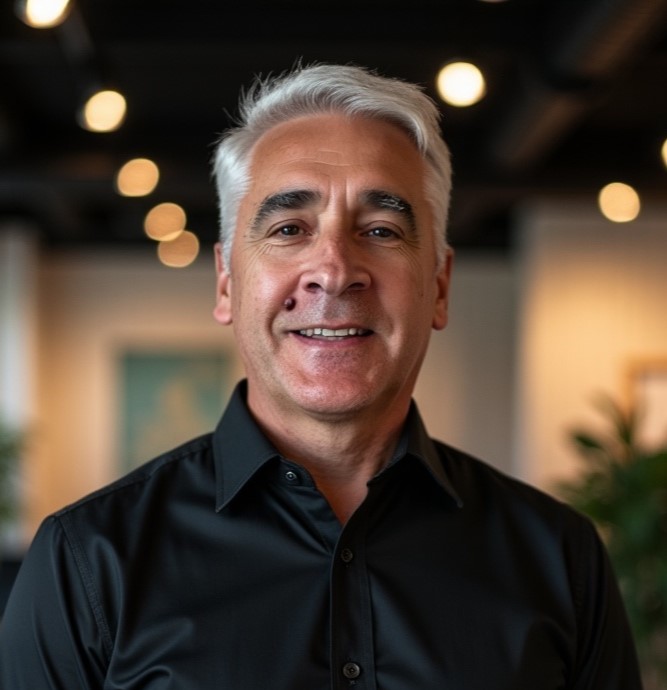
“Think you need to formally ‘ask’ someone to be your mentor? The best mentorships start differently.”
Formal mentorship programs have their place, providing structure and accountability, but some of the most impactful mentorships happen naturally—without applications, structured check-ins, or predefined expectations. These organic mentorship relationships evolve over time, driven by shared interests, mutual respect, and a genuine desire to learn from each other.
Research from the Harvard Business Review suggests that mentorships formed through organic relationships tend to be more effective because they are built on trust, compatibility, and authentic engagement rather than obligation (HBR, 2019). Instead of feeling like a formal arrangement, these mentorships feel more like an ongoing conversation, allowing both mentor and mentee to grow in ways that feel natural.
The best mentors often don’t even see themselves as mentors at first. They are simply people who offer valuable insights, guidance, and encouragement—and when approached with curiosity and respect, these relationships can flourish into something truly transformative.
If you’ve been struggling to find the “right” mentor through a formal program, consider a different approach—start building authentic connections, engaging in meaningful conversations, and seeking guidance from those around you.
Why organic mentorship works
✔️ Authenticity: The relationship grows from mutual respect and genuine interest, rather than being assigned or structured through a program.
✔️ Flexibility: Goals and expectations evolve naturally as the relationship deepens, rather than being predetermined by a formal agreement.
✔️ Trust: Without pressure to meet structured milestones, trust develops gradually, leading to more honest and constructive feedback.
✔️ Sustained Engagement: Organic mentorships tend to last longer because they aren’t tied to a program’s timeframe or obligations.
✔️ Two-Way Learning: In many cases, mentors learn just as much as mentees, creating a dynamic and enriching exchange of knowledge.
✔️ More Opportunities for Growth: Since organic mentorship isn’t restricted to a formal pairing, mentees can develop multiple mentoring relationships at once, gaining diverse perspectives from different mentors.
Steps to let mentorship happen naturally
✔️ Engage Authentically: Start by having meaningful conversations with people you admire. Show genuine curiosity about their career, experiences, and insights.
💡 Example: Instead of immediately seeking mentorship, ask questions like, “How did you navigate X challenge in your career?”
✔️ Seek Advice, Not a Title: A great mentorship often begins with small moments of guidance rather than a formal request.
💡 Example: Instead of saying, “Will you be my mentor?” try, “I’d love to hear your perspective on X situation.”
✔️ Show Initiative: Apply the advice you receive and follow up with your mentor. Showing that you value their input strengthens the relationship.
💡 Example: If a mentor suggests a book or strategy, try it and follow up with what you learned from it.
✔️ Build the Relationship Over Time: Consistency is key. Mentorship is not a one-time conversation—it’s an ongoing exchange of ideas and growth. Regular check-ins (even informal ones) help nurture the relationship.
✔️ Give Value in Return: Mentorship is a two-way relationship. While mentors provide wisdom, mentees can contribute fresh perspectives, new industry trends, or thoughtful reflections that benefit both parties.
💡 Example: If your mentor works in an evolving field, sharing insights about emerging trends can make the relationship more reciprocal.
✔️ Be Open to Multiple Mentors: Instead of searching for one “perfect” mentor, develop a network of mentors who can provide different perspectives and guidance.
example
Ryan, an early-career marketing professional, admired a colleague, Jessica, who excelled at public speaking and communication. Instead of formally asking her to be his mentor, Ryan took a more natural approach.
- He began by casually engaging in conversations with Jessica after meetings, asking for feedback on his presentation skills.
- Over time, he sought small pieces of advice, like how to structure a talk more effectively.
- He implemented her feedback, improved his speaking skills, and shared his progress with Jessica.
- As their conversations became more frequent and open, their relationship organically developed into mentorship without ever being formally labeled.
Because their mentorship was built on shared interests, trust, and consistent learning, it felt natural—without pressure, obligations, or forced interactions.
why it matters
Organic mentorship removes the pressure of formal processes and allows relationships to grow authentically. Unlike structured mentorship programs, these relationships form based on genuine connection, curiosity, and shared learning.
The most valuable mentorship experiences are often those that feel natural and fluid, rather than assigned or scheduled. According to Forbes (2022), employees who develop informal mentor relationships tend to experience higher job satisfaction, career confidence, and long-term professional success compared to those in rigidly structured mentorship programs.
By focusing on building real connections instead of just looking for a mentor, you create a support system of advisors, advocates, and peers who invest in your success over time.
summary
Mentorship doesn’t need a formal title to be powerful. The strongest mentorships develop naturally, fueled by curiosity, shared learning, and genuine relationships. Instead of waiting for someone to be assigned as your mentor, start small—engage, seek guidance, and build trust with those around you.
💡 Have you ever had an organic mentorship experience? Share your story in the comments!
📢 Follow us on LinkedIn for weekly insights into thriving through mentorship.
#Mentorship #CareerGrowth #Networking #Leadership #ProfessionalDevelopment #LifelongLearning #GrowthMindset
 Mentorship Navigator
Leave a comment