
“Your mentor’s guidance should decrease over time as your confidence and capability grow.”
Why Mentorship Should Evolve
Mentorship isn’t meant to be a lifelong crutch—it’s meant to be a launchpad.
In the early stages, strong mentorship is hands-on: guiding, correcting, modeling. But if months—or years—have passed and your mentor is still doing the steering, something is off.
The best mentorships evolve.
They grow with you.
They release you.
This evolution is what’s known as the gradual release—a shift from dependence to independence, from student to strategist, from being led to leading.
The Gradual Release in Action: What It Looks Like
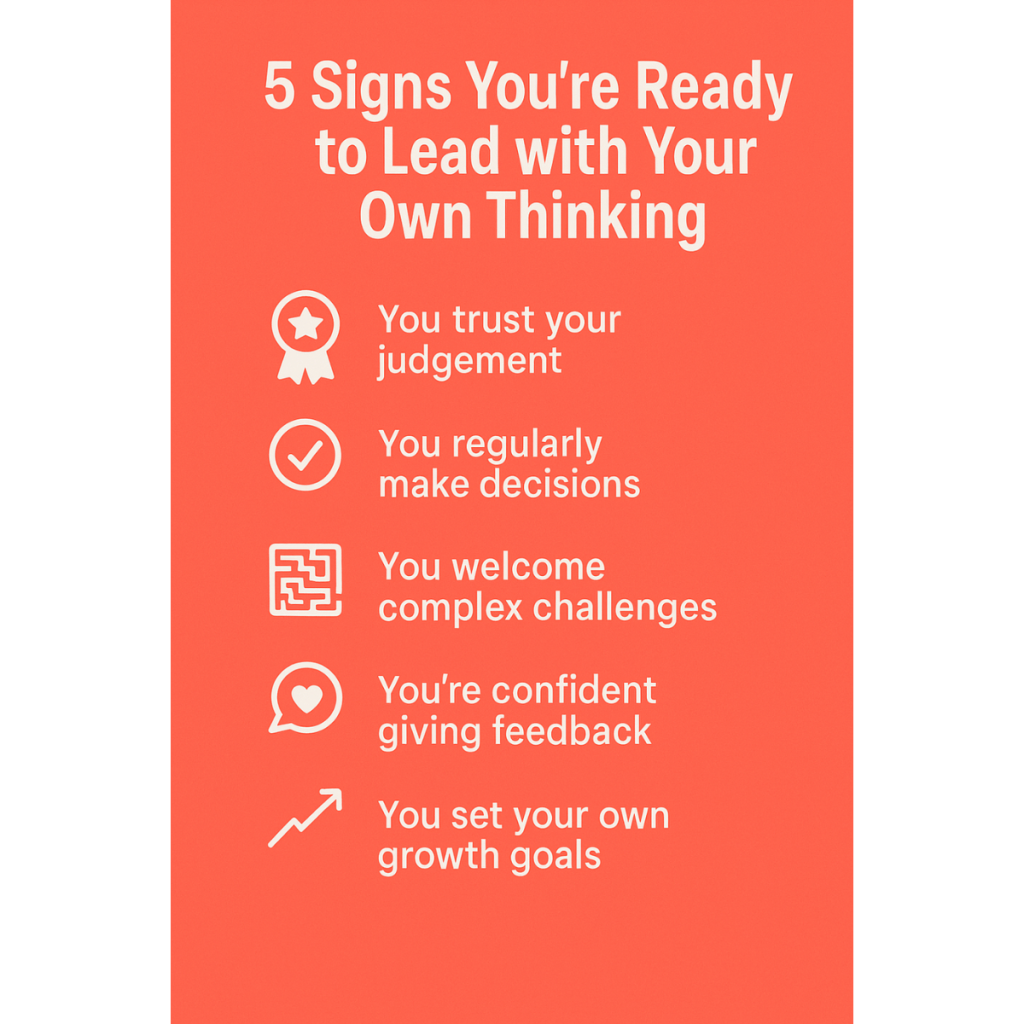
As your skills and self-trust deepen, the dynamic of your mentorship should begin to change. Here are five signs you’re transitioning successfully from learning to leading:
🎯 You Initiate the Agenda, Not Just Show Up for It
You’re no longer waiting for your mentor to guide the conversation. You come to meetings with goals, questions, reflections, and next steps. You own your growth.
🧠 You Solve Problems Before Seeking Input
Instead of bringing challenges and waiting for direction, you bring proposed solutions. You’ve begun trusting your instincts—and now you’re looking for refinement, not rescue.
💬 You Ask Strategic Questions—Not Basic Ones
Early mentorship is often about understanding fundamentals. But when you start asking questions that provoke insight, challenge assumptions, or explore strategy, you’re showing real leadership readiness.
📈 You Act Before Being Advised
You’ve stopped waiting for approval. You make calculated decisions, accept the outcomes, and come back to your mentor not for permission—but to share your lessons learned.
🔁 You’re Mentoring Others The highest indicator of your readiness to lead? You’ve begun mentoring others. Whether it’s coaching a new team member or guiding a peer, you’ve stepped into the cycle of leadership.
real-world example:
From Protégé to Peer
Elena was an ambitious marketing associate paired with Chris, a VP, as her mentor. In the beginning, Chris helped her navigate campaign strategy, stakeholder communication, and time management.
At first, she leaned heavily on his guidance. But six months in, things changed.
She started running strategy meetings. She set the agenda during check-ins. She offered solutions instead of seeking them. Eventually, Chris found himself simply asking, “What support do you need from me this time?”
Then came the turning point: Elena volunteered to mentor a junior teammate.
Chris knew the transition had occurred—she was no longer being led. She was leading.
why it matters:
The gradual release doesn’t mean the mentorship ends. It means it has matured. It becomes a partnership, not a lifeline.
Mentors who release control help build leaders—not dependents.
And mentees who embrace that shift step into a new kind of confidence—one rooted in clarity, capability, and self-leadership.
TL;DR:
Mentorship should be a ramp, not a runway. The more you grow, the less guidance you need. When that shift happens, it means mentorship is doing exactly what it should.
#MentorshipMatters #LeadershipDevelopment #FromLearningToLeading #GradualRelease #MentorWisdom #SelfLeadership #GrowthMindset #ProfessionalDevelopment #CareerEvolution #EmpoweredGrowth
 Mentorship Navigator
Leave a comment